Understanding Shower Screens for Wet Rooms
What Are Shower Screens for Wet Rooms?
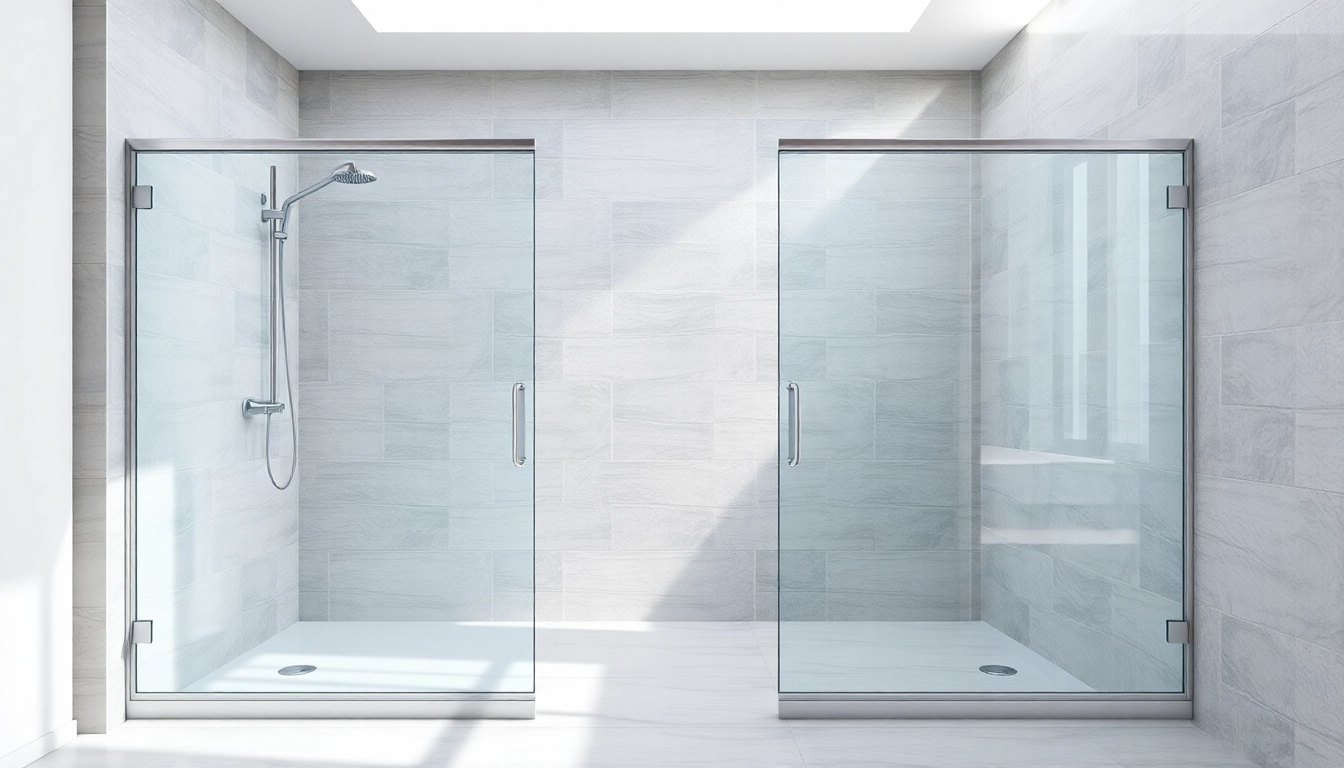
Shower screens for wet rooms are essential components that serve both functional and aesthetic purposes in modern bathroom design. Unlike traditional shower curtains, these screens are designed to provide a solid barrier that contains water within a designated wet area, allowing for open-plan layouts. Typically made from durable materials, these screens enhance the visual appeal of your bathroom while effectively managing water flow and preventing leakage.
One of the prime benefits of employing shower screens for wet rooms is the versatility they offer. They can be customized to fit various layouts and styles, making them appropriate for virtually any bathroom environment. Whether you prefer minimalist chic or luxurious sanctuary, the right shower screen can integrate seamlessly with your overall design ethos.
Benefits of Using Shower Screens in Wet Rooms
There are several compelling reasons to consider incorporating shower screens in wet rooms:
- Water Containment: Effectively keeps water within designated areas, preventing slips and falls outside the shower zone.
- Maintenance Ease: Cleaning glass or acrylic screens is often simpler than maintaining curtains or shower doors, as they are less prone to mold and mildew.
- Enhanced Aesthetics: Offers a contemporary look that can elevate the overall feel of the bathroom.
- Space Optimization: Allows for better use of space without the bulk of traditional doors.
Different Types of Shower Screens
When selecting shower screens for wet rooms, it’s essential to understand the various types available:
- Fixed Panels: These are static screens that provide a barrier without moving parts, perfect for more streamlined designs.
- Bi-Fold Screens: Designed to fold outwards, making them practical for small spaces where a traditional door wouldn’t fit.
- Sliding Doors: These are excellent for maximizing access while keeping water contained.
- Curved Screens: Often used in corner showers to maximize space and provide a unique design element.
Key Features to Consider
Materials and Durability
Material choice is crucial when selecting shower screens for wet rooms. Commonly used materials include:
- Tempered Glass: Renowned for its strength and safety, tempered glass is highly recommended for shower screens because it is less likely to shatter compared to regular glass.
- Acrylic: Lightweight and shatter-resistant, acrylic panels are a viable option for various designs but might scratch more easily.
When choosing a material, also consider thickness; a thicker screen generally offers increased durability.
Design and Aesthetic Appeal
The aesthetic aspect of shower screens can dramatically influence a bathroom’s look. Important design elements to assess include:
- Clarity and Transparency: Clear glass maximizes light and creates an airy feel, while frosted designs add privacy.
- Frameless vs. Framed Designs: Frameless options lend a modern, sleek look, while framed screens can provide a more classic feel.
- Color and Finish: While clear glass is predominant, colored edges or tinted glass can offer innovative design solutions.
Functionality and Space Utilization
Improving space utilization in bathrooms can be achieved through well-chosen shower screens. For instance:
- Opt for sliding or bi-fold screens if you have limited space, allowing easy access without encroaching on walkways.
- Consider corner screens to free up wall space, giving the illusion of a larger area.
- Incorporate built-in shelving or ledges with your screen designs to maximize utility.
Installation Tips for Optimal Results
Assessing Your Wet Room Layout
Before installation, accurately assess the layout of your wet room. Key consideration factors include:
- Dimensions: Measure the space allocated for the shower to ensure the screen fits properly.
- Drainage: Ensure that the installation doesn’t impede water drainage and that the floor slope directs water toward the drain.
- Access Points: Identify how you will enter and exit the shower area for comfort and usability.
Choosing Professional Installation
While some may consider a DIY approach, hiring professionals for installation can provide peace of mind. A few reasons include:
- Expert knowledge of local building codes and regulations.
- Ensured waterproofing and sealing that mitigates the risk of leaks.
- Proper tools and techniques to handle the often heavy and delicate materials.
DIY Installation Steps
For those opting for a DIY installation, follow these steps to ensure proper fitting:
- Gather Necessary Tools: Assemble all required tools like a drill, level, silicone sealant, and screws.
- Prepare the Area: Clean the installation area thoroughly, removing any old fixtures or fittings.
- Measure and Cut: Measure the panels accurately and cut (if necessary) existing panels to size.
- Secure in Place: Use the appropriate brackets to secure the panels, ensuring they are level and straight.
- Seal Edges: Apply silicone sealant around edges and joints to prevent leaks.
Maintenance of Shower Screens
Cleaning and Care Guidelines
Regular cleaning and maintenance are vital for keeping your shower screens looking pristine:
- Use a glass cleaner or a vinegar-water solution for the best results.
- Apply a squeegee after each use to reduce water spots and soap scum build-up.
- For tough stains, consider using a non-abrasive cleaner; avoid metal scrubs that could scratch surfaces.
Common Issues and Solutions
Some issues may arise post-installation. Here are solutions to common challenges:
- Water Leakage: Ensure seals are intact and apply fresh silicone if needed.
- Scratches and Damage: Small scratches can often be buffed out with specialized glass cleaner.
- Rust on Frames: Clean and repaint framed screens to restore their finish.
Preventative Maintenance Practices
To prolong the life of your shower screens:
- Schedule regular inspections for loose seals or fittings.
- Keep water softeners handy if hard water is an issue.
- Consider applying hydrophobic coatings to enhance water resistance.
Trends in Shower Screens for Wet Rooms
Contemporary Design Inspirations
Shower screens have evolved dramatically, reflecting the modern minimalist aesthetic. Popular trends include:
- Open Shower Designs: No barriers at all, with screens used only to redirect water.
- Artistic Patterns: Screens featuring etched designs or colored glass for an artistic flair.
- Integration with Other Elements: Combining with wood, stone, or natural materials for a cohesive look.
Innovations in Material Technology
Advancements in technology have led to exciting developments in shower screen materials:
- Self-Cleaning Glass: Coatings that reduce the need for regular cleaning are gaining traction.
- Impact-Resistant Plastics: New formulations of acrylic and polycarbonate are both durable and visually appealing.
Eco-friendly Options for Sustainable Living
As sustainability becomes increasingly critical, many companies are providing eco-friendly shower screen options:
- Recycled Materials: Some screens are made from recycled glass, reducing waste.
- Sustainable Manufacturing Processes: Choosing products produced with minimal environmental impact.
- Water-saving Technologies: Incorporating features that use less water within the shower system.
FAQs
How do I choose the right shower screen for my wet room?
Consider your space, style preferences, and the type of material that suits your needs. Look for features that enhance usability and safety.
Can shower screens prevent water leakage effectively?
Yes, properly installed shower screens create a barrier to contain water, reducing the risk of leaks when designed for wet room settings.
What materials are best for shower screens?
Tempered glass is popular for durability and safety, while acrylic options may offer lighter weight alternatives.
How often should I clean my shower screens?
It’s best to clean shower screens regularly to prevent soap scum and hard water stains, ideally every week or every other week.
Are there eco-friendly options for shower screens?
Many manufacturers now offer sustainable materials and coatings that reduce environmental impact while providing durability and style.