Introduction to Waterproof LVP Flooring
In today’s fast-paced world, homeowners are continuously searching for flooring solutions that combine beauty, durability, and practicality. One such solution gaining immense popularity is waterproof lvp flooring. This innovative product is designed to provide the aesthetic appeal of natural wood or stone while delivering exceptional performance in wet or humid conditions. In this article, we will explore the multifaceted aspects of waterproof LVP flooring, including its benefits, selection criteria, installation procedures, and maintenance tips.
What is Waterproof LVP Flooring?
Waterproof Luxury Vinyl Plank (LVP) flooring is a synthetic flooring product designed to mimic the look of traditional hardwood flooring or stone tiles but with enhanced resilience against moisture, spills, and everyday wear and tear. Composed of multiple layers, waterproof LVP typically includes a waterproof core, a design layer that provides the visual appeal, and a protective wear layer. This multi-layer construction underscores its effectiveness, allowing it to handle high moisture areas, such as kitchens, bathrooms, and basements, without warping or staining.
Key Benefits of Waterproof LVP Flooring
The advantages of waterproof LVP flooring extend beyond its attractive appearance. Below are some key benefits that this flooring option offers:
- Durability: Water-resistant and designed to withstand heavy foot traffic, waterproof LVP is less prone to scratches, dents, and staining compared to traditional hardwood or tile flooring.
- Comfort and Warmth: Unlike ceramic or stone tiles, LVP feels warmer and softer underfoot, making it a more comfortable option for residential spaces.
- Easy Installation: Many waterproof LVP products feature a click-lock installation method that allows for quicker, easier DIY installation without the need for extensive tools or adhesives.
- Realistic Aesthetic: Advanced printing technology creates lifelike wood and stone appearances, offering homeowners a broad range of designs to choose from to match their home’s decor.
- Low Maintenance: Waterproof LVP requires minimal upkeep—regular sweeping and occasional mopping are typically all that’s needed to keep it looking its best.
Common Misconceptions About Waterproof LVP Flooring
Despite its growing popularity, various misconceptions about waterproof LVP flooring persist. Let’s address a few of them:
- Not All Vinyl is Waterproof: While many vinyl flooring options are water-resistant, true waterproof LVP has unique characteristics that prevent water from penetrating through its core.
- Limited Styles: Some believe that vinyl flooring can only replicate a few styles. In reality, waterproof LVP is available in various colors, textures, and patterns, offering endless design possibilities.
- Difficulty in Repair: Some people think that damage to LVP flooring means replacement is necessary. However, individual planks can often be replaced or repaired without needing to disrupt the entire floor.
- Slippery Surface: Contrary to some beliefs, many waterproof LVP options come with a textured surface, which helps reduce slipperiness when wet.
Choosing the Right Waterproof LVP Flooring
Styles and Patterns Available
Selecting the right style of waterproof LVP flooring is essential for achieving your desired aesthetic. Options abound, ranging from planks that mimic rustic hardwood to those designed to emulate elegant stone tiles. Patterns may include traditional wood grains, distressed finishes, or contemporary styles with abstract designs. When choosing a style, consider the overall decor of your home and whether you are aiming for a classic, modern, or eclectic look. Additionally, be mindful of the color scheme; lighter floors can open up smaller spaces, while darker hues can bring warmth and sophistication.
Considerations for Room Types
Different rooms have unique demands, and your flooring choice should reflect this. For instance:
- Bathrooms: Here, moisture is rampant. Waterproof LVP flooring provides an effective barrier against water damage.
- Kitchens: These spaces often endure spills, so a durable and waterproof product is essential.
- Basements: Waterproof LVP is a fantastic choice given the higher moisture levels commonly found in these areas, preventing warping or mildew.
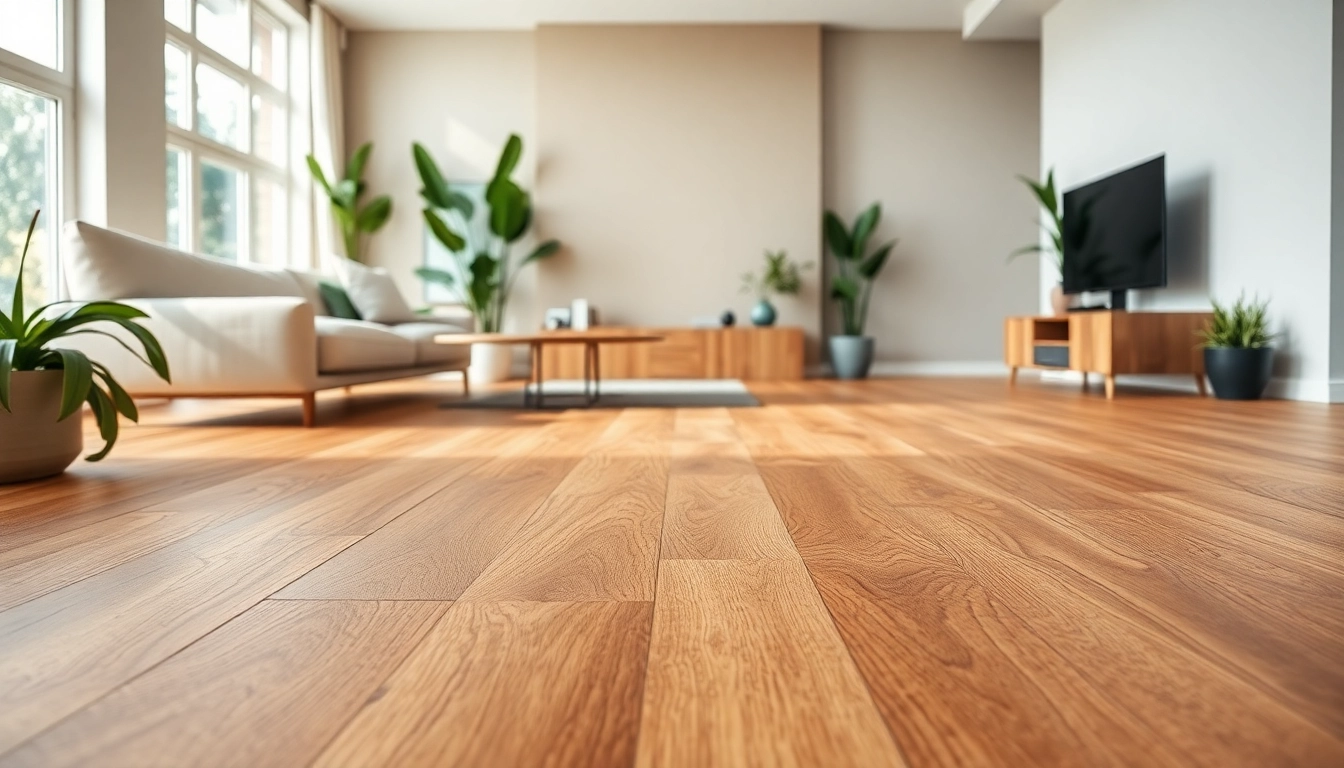
- Living Areas: In spaces like living rooms and bedrooms, aesthetics are key. A design that mimics hardwood can enhance warmth and comfort.
How to Measure Your Space
Before purchasing waterproof LVP flooring, accurately measuring your space is crucial to avoid overbuying or underbuying. Follow these steps:
- Measure the length and width of the room using a tape measure.
- Multiply the length by the width to get square footage.
- Add a buffer of around 10% for waste and cuts during installation.
Keep in mind that different layouts (like diagonal installations) may require additional material, so factor that into your calculations.
Installation Process of Waterproof LVP Flooring
Preparing Your Subfloor
Before installation, ensuring that the subfloor is clean, dry, and level is vital to the longevity of waterproof LVP flooring. Here’s how to prepare:
- Remove any existing flooring, ensuring to check for any remaining adhesive.
- Clean the subfloor thoroughly, sweeping away dust and debris.
- Inspect for moisture; use a moisture meter to check if the subfloor is dry enough for LVP installation.
- Level any uneven areas using a leveling compound if necessary.
Tools Needed for Installation
Equipping yourself with the right tools is essential for a seamless installation process. Common tools required include:
- Utility knife for cutting planks
- Measuring tape for precise measurements
- Square tool to ensure corners are right angles
- Pull bar for tight seams
- Rubber mallet to tap planks into place
- Flooring underlayment for added comfort and sound absorption
Step-by-Step Installation Guide
Installing waterproof LVP can be a rewarding DIY project. Here is a step-by-step guide to follow:
- Acclimate the Flooring: Allow the planks to acclimate to the room temperature for at least 48 hours before installation.
- Lay Down Underlayment: If required, unroll and lay down the underlayment following manufacturer instructions.
- Start with the First Row: Begin laying the planks in one corner of the room, ensuring tight seams and continuing the pattern.
- Use Cutting Tools as Needed: Use your utility knife to cut the planks to fit the edges of the room, ensuring a snug fit.
- Continue Installation: Repeat the process row by row, using the pull bar and rubber mallet to fit planks snugly together.
- Finish with Transitions and Molding: Once installed, add quarter rounds or transition strips to finish the look and protect edges.
Maintaining Waterproof LVP Flooring
Daily Care Tips
After installation, keeping your waterproof LVP flooring in top condition requires simple upkeep:
- Regularly sweep or vacuum to remove dirt and debris.
- Mop with a damp mop and a manufacturer-recommended floor cleaner to keep it looking fresh.
- Use doormats at entrances to minimize outside dirt being tracked in.
Deep Cleaning Techniques
Periodically, a more thorough cleaning approach is necessary. Here are steps for deep cleaning:
- Use a gentle cleaner designed for vinyl flooring—avoid harsh chemicals.
- Mix the cleaner with hot water in a bucket.
- Mop the floor using a microfiber mop, which helps trap dirt effectively.
- Rinse the mop frequently in clean water to avoid spreading dirt.
- Allow the floor to air dry or use a clean towel to speed up the drying process.
Common Mistakes to Avoid
To maintain the appearance and functionality of waterproof LVP flooring, avoid these common mistakes:
- Using abrasive cleaners, which can scratch or dull the surface.
- Failing to use furniture pads, which can lead to scratches from heavier items.
- Not addressing spills quickly, even with waterproof flooring, prolonged exposure can lead to damage.
- Neglecting regular cleaning, which can allow dirt and grit to accumulate, affecting the flooring’s longevity.
FAQs About Waterproof LVP Flooring
Is waterproof LVP flooring suitable for bathrooms?
Yes, waterproof LVP flooring is an excellent choice for bathrooms, effectively resisting moisture and preventing damage and mold growth.
How do I clean waterproof LVP flooring?
For regular cleaning, sweep or vacuum to remove debris and mop with a damp cloth using a gentle cleaner designed for vinyl floors.
Can waterproof LVP flooring be installed over existing flooring?
Yes, waterproof LVP can often be installed over existing flooring, but ensure the surface is clean, level, and does not retain moisture.
What is the lifespan of waterproof LVP flooring?
Depending on usage and maintenance, waterproof LVP flooring typically has a lifespan of 15-30 years, offering long-term value.
Is waterproof LVP flooring eco-friendly?
Many manufacturers produce eco-friendly options with recyclable materials and low volatile organic compound (VOC) emissions, making them safer for indoor air quality.